The Toronto Minor Surgery Center provides quick, efficient and high-quality treatment to skin lesions and other conditions.
When people search “best skin cancer clinic Toronto,” they’re usually not browsing casually. They’re trying to make a confident decision with limited time and a lot of uncertainty. Maybe you’ve noticed a changing mole, a spot that keeps crusting, or a lesion that simply doesn’t look right. The right clinic doesn’t just remove something and send you home. It confirms what you’re dealing with, explains your options clearly, acts quickly when it matters, and follows through with the medical details that protect your long-term health.
That’s what The Minor Surgery Center is built to do for patients across the Toronto area: deliver focused assessment, medically appropriate treatment, and clear next steps in a setting designed for minor procedures and rapid access care.Skin cancer is common, but the experience of being worried about your skin is personal. Most people don’t want vague reassurance, and they don’t want panic either. They want a straight answer. If a lesion is benign, you should be told that with reasons. If it needs investigation, you should understand why and what happens next. If it needs treatment, that treatment should be precise, safe, and supported by pathology review and follow-up. A clinic earns the “best” label in Toronto by combining clinical judgment, surgical capability, responsible communication, and a process that respects both the medical risk and the cosmetic reality of procedures on visible areas like the face, scalp, neck, and hands.
Skin cancer can develop when skin cells accumulate damage over time, most often from ultraviolet exposure. Some cancers grow slowly and stay localized for long periods, while others can spread and become dangerous if delayed. That’s why a good clinic doesn’t treat every spot the same. It triages properly. It distinguishes between lesions that can be monitored, lesions that should be biopsied, and lesions that should be removed with appropriate margins. It also takes into account practical factors that matter to patients in Toronto, like access without unnecessary delays, clarity on whether a referral is required, and what follow-up looks like after pathology.
Even when a lesion turns out to be non-cancerous, the process matters because it reduces uncertainty and helps you understand your own skin patterns. Many patients walk into a clinic after months of searching online photos, comparing themselves to worst-case scenarios, and still having no real clarity. A structured, physician-led assessment is what replaces that uncertainty with a plan.
A high-quality skin cancer clinic starts with the screening process. That doesn’t mean you’re automatically pushed into a procedure. It means a physician takes your concern seriously, examines the lesion carefully, asks the questions that actually affect risk, and gives you a recommendation that makes clinical sense. A proper screening visit in Toronto should feel like this: you understand what the clinician sees, what it suggests, what needs confirmation, and what can reasonably be watched. You should also understand what symptoms or changes would prompt a faster follow-up if monitoring is recommended.
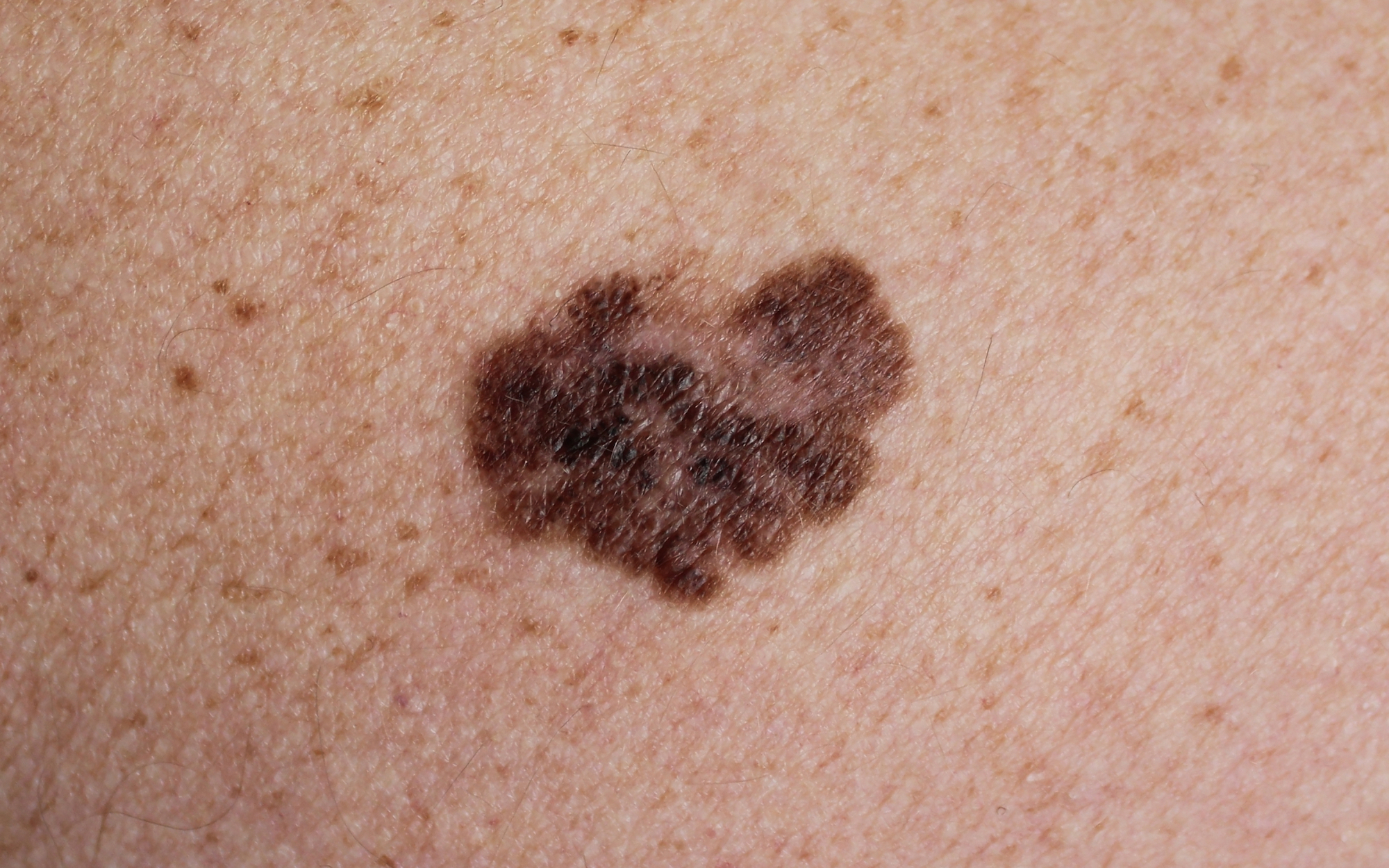
If you’re worried about melanoma, one of the most helpful frameworks clinicians use is the ABCDE pattern. In plain language, suspicious lesions often stand out because they look asymmetrical, have irregular borders, contain multiple colours, appear larger than expected for a typical mole, or are evolving over time. The most important part for many patients is the last one: evolution. A stable spot can be harmless; a changing spot deserves evaluation. The goal is not to turn you into your own diagnostician. The goal is to help you recognize why a lesion is or isn’t concerning and to make sure the next step is medically appropriate.
A clinic can only call itself excellent at skin cancer care if it has a clean process for diagnosis. In many cases, that means biopsy. A biopsy isn’t a dramatic step; it’s a practical one. It’s how you confirm what a lesion actually is when clinical appearance alone isn’t enough. If a biopsy is indicated, it should be explained in a way that makes sense. You should understand what is being removed, why it’s being removed, and what the clinic is looking for. You should also be told what happens with the tissue afterward.
Pathology is not an optional add-on in good skin cancer care. It’s the mechanism that confirms diagnosis, clarifies margins when applicable, and guides what happens next. A strong Toronto clinic has a workflow for getting pathology reviewed, communicating results clearly, and recommending the next step if further treatment is needed. The point is not to create anxiety; it’s to prevent uncertainty and prevent missed follow-up.
When a lesion is confirmed or strongly suspected to be skin cancer, the typical next step in many cases is surgical removal. In a practical sense, surgery is about two outcomes at the same time: complete medical removal and sensible cosmetic healing. That balance is where experience matters. Removing too little increases recurrence risk. Removing too aggressively can create unnecessary tissue loss, especially in visible or delicate areas. The right approach respects both the biology of the lesion and the anatomy of the body part involved.At The Minor Surgery Center, the emphasis is on precision, appropriate margins, and a process that includes pathology review and follow-up care.
That means your care doesn’t end after the procedure. You’ll leave with wound care instructions, an understanding of what healing typically looks like, and clarity on how results and follow-up are handled. When the goal is to rank for “best skin cancer clinic Toronto,” the content should reflect this reality: the best clinic is not the one with the most dramatic marketing. It’s the one with the safest, most consistent process.
Melanoma is less common than many other skin cancers, but it carries higher risk because it can spread. That doesn’t mean every dark spot is melanoma, and it doesn’t mean you should panic. It means melanoma concerns should be assessed properly and promptly, and when treatment is required, it should be done with clear surgical planning and pathology confirmation.
Melanoma begins in melanocytes, the pigment-producing cells in the skin. In the early stage, it can appear as a changing mole or a new pigmented lesion that looks different from surrounding spots. The goal of clinical assessment is to identify whether a lesion is suspicious enough to warrant biopsy or removal, and to guide treatment based on confirmed diagnosis. If melanoma is diagnosed, treatment often involves excision with appropriate margins. The most important thing a Toronto clinic can do is combine timely access, precise surgical care, and a clear pathway for pathology confirmation and follow-up.Patients also care about the emotional and cosmetic side.
Melanoma is scary. Procedures can be on the face, scalp, or other visible areas. A high-quality clinic communicates with calm clarity, sets realistic expectations, and supports recovery with proper wound care guidance and follow-up.
Many Toronto patients are diagnosed with basal cell carcinoma or squamous cell carcinoma. Basal cell carcinoma is the most common type of skin cancer and often grows slowly, but it can still cause significant local damage if ignored. Squamous cell carcinoma can be more aggressive in some cases and may require prompt management. The point is that “common” doesn’t mean “minor.”
A good clinic treats these diagnoses with the same seriousness it brings to any cancer, while also keeping communication grounded and practical.A strong clinic explains what the diagnosis means in plain language, why the recommended treatment fits the case, what the expected healing timeline looks like, and what follow-up is required. It also helps you understand prevention and monitoring so you can reduce future risk. That’s part of what makes a clinic feel “best” to patients in Toronto: you leave with a plan, not just a procedure.
Any skin procedure can leave a scar. That’s the honest baseline. What differentiates high-quality surgical care is how thoughtfully the procedure is planned, how cleanly it’s executed, and how well aftercare and follow-up are managed. Cosmetic outcomes depend on multiple factors, including the size of the lesion, its location, your skin’s healing pattern, and whether stitches are required. The best approach is one that prioritizes complete medical treatment first, while still using technique and planning that support the best possible healing.
If you’re considering a skin cancer clinic in Toronto, you should expect to hear clear, non-salesy guidance on what healing typically involves, what you can do to support recovery, and when to contact the clinic if anything seems off. You should also expect to be told that there are limits to guarantees. Any clinic promising “no scar” is not being medically honest.
A major reason people search for the best clinic is access. Toronto patients want to know if they need a referral, how quickly they can be assessed, and how the clinic handles next steps if a lesion looks suspicious. The Minor Surgery Center is built to provide rapid access minor procedures and assessments, and in many cases patients can be seen without needing a traditional referral pathway. The right way to communicate this is responsibly: patients should book an assessment, the lesion should be evaluated clinically, and the recommendation should be based on medical indication rather than assumptions.
Coverage and cost questions matter as well. In Ontario, OHIP coverage depends on medical necessity. Many skin cancer–related assessments and treatments are medically indicated and may be covered, while cosmetic-only removal is often not. A high-quality clinic is transparent about this and clarifies the pathway before you proceed.
People often ask whether they should go to a dermatologist, a surgical clinic, or a hospital-based program. The honest answer is that it depends on what you need. If you have a suspicious lesion that requires diagnosis and potentially removal, a clinic with surgical capability and a clean pathology workflow can be appropriate. If you need a more specialized oncology pathway, that may involve additional referral routes.
The best clinic is the one that can assess accurately, treat appropriately, and guide you to the right pathway if your case requires it.Patients also ask what they should do if they have a spot that is changing, bleeding, or not healing. The most responsible answer is that persistent or evolving lesions should be assessed by a clinician. The internet can’t diagnose you. The goal of a clinic visit is to determine whether the lesion is benign, needs monitoring, needs biopsy, or needs removal.
Another common question is whether a clinic can treat multiple lesions. In many cases, yes, but the right approach is to start with an assessment and prioritize the lesions that are most concerning. A clinic should be transparent about what can be done within a single visit and what may require staged treatment.
Finally, patients ask what “best” really means. In skin cancer care, “best” means you’re seen by clinicians with relevant experience, you get a medically sound plan, you receive appropriate treatment with pathology confirmation when indicated, and you’re supported with follow-up and recovery guidance.
It means access without chaos, and urgency without fear-mongering.
If you’re searching for the best skin cancer clinic in Toronto, the next step is not another hour comparing photos online. It’s a professional assessment so you can stop guessing and get a clear plan. The Minor Surgery Center provides physician-led evaluation for suspicious moles and lesions, and when it’s medically appropriate, biopsy and surgical treatment supported by pathology review and follow-up. If you’re concerned about a specific spot, book an assessment and bring your questions. The right clinic will answer them directly, explain your options, and guide you through next steps with clarity.
The Toronto Minor Surgery Center provides quick, efficient and high-quality treatment to skin lesions and other conditions.
You may have a skin lesion that has been bothering you for months or even years. Perhaps it’s causing pain or is just a nuisance that’s been around for a while. We are experts at treating such lesions. You may be surprised to find that your skin condition can be treated on the same day as your initial consultation. Along with great care for our patients, TMSC features:
Book a free consultation
Our procedures are quick, effective and as painless as possible. Each case is tended to with great care, and scarring is always minimal.
During your free consultation, one of our board certified surgeons will examine your condition and recommend a suitable solution.
Where it all began
Dr. Kunaal Jindal and Dr. Roberto Tutino are board certified plastic and reconstructive surgeons in Toronto.
Being best friends who share an enthusiasm for plastic and reconstructive surgery, the duo felt it was a natural next step to open a new clinic which would tackle the gap they’ve seen in the minor surgery realm—namely long wait times and the lack of dedicated minor surgery centers.
Their aim is simple: to provide a safe, modern environment where patients can have their skin lesion and other such concerns treated quickly and efficiently.
Learn more about our surgeons

OHIP Coverage
The Ministry of Health determines which procedures are covered by OHIP and which are not, based on a number of factors. Most benign (noncancerous) skin lesions are not covered as their treatment is considered unessential by the Ministry of Health.
Conditions covered by OHIP