Residents of Mississauga looking for a dedicated skin cancer clinic have several options, but The Minor Surgery Center (TMSC) stands out as the leading choice for expedited, specialist-led care. TMSC's Mississauga location offers board-certified surgeon consultations, skin cancer screening, diagnostic biopsy, and surgical removal — often within days, not months. No long hospital waitlists, no referral required for many services.
A skin cancer clinic is a medical facility specifically equipped to screen, diagnose, and treat skin cancers and suspicious skin lesions. Unlike a general walk-in clinic, a dedicated skin cancer clinic has the surgical expertise, diagnostic tools, and clinical protocols to move from a concerning spot on your skin to a confirmed diagnosis and treatment plan — all in one place.
Mississauga is Ontario's third-largest city, with a population exceeding 700,000. That scale, combined with an aging population and high UV exposure during Ontario summers, creates significant demand for accessible, specialist-level skin cancer care. The public healthcare system — while excellent — often cannot meet that demand quickly enough. Dermatology wait times in Ontario can stretch to six months or longer for a first appointment.
That gap is exactly where a private skin cancer clinic in Mississauga like The Minor Surgery Center fills a critical role.
Why dedicated clinics matter:
General practitioners can identify suspicious lesions, but they typically cannot perform excisional biopsies or surgical removal in their offices.
Hospital dermatology departments have long wait lists and are often reserved for confirmed or advanced cases.
Aesthetics clinics can remove benign lesions cosmetically, but they are not equipped to handle malignant or potentially malignant tissue.
A dedicated surgical skin cancer clinic bridges all of these gaps: clinical assessment, biopsy, pathology coordination, and excision under one roof.
Clinical note: Any lesion that is changing in size, shape, or colour, bleeding without trauma, or simply "looks different" from your other moles warrants a prompt clinical evaluation — not a six-month wait.
The most reliable framework for self-assessment is the ABCDE rule, used by dermatologists and surgeons worldwide to evaluate pigmented lesions.
Feature What to Look For Concern Level
A — Asymmetry One half doesn't match the other Moderate–High
B — Border Irregular, ragged, notched, or blurred edges Moderate–High
C — Colour Multiple shades of brown, black, red, white, or blue High
D — Diameter Larger than 6mm (about the size of a pencil eraser) Moderate
E — Evolving Any change in size, shape, colour, or new symptoms High
Beyond the ABCDE rule, watch for:
A sore that doesn't heal within four weeks
A shiny, pearly, or translucent bump (classic sign of basal cell carcinoma)
A rough, scaly red patch that bleeds easily (possible squamous cell carcinoma)
A dark streak under a fingernail or toenail
A new lesion that appears after age 50
Common mistake: Many patients wait to see if a lesion "goes away on its own." Skin cancers do not resolve without treatment. Early-stage lesions are far easier to treat, with better cosmetic outcomes and lower recurrence rates. For a detailed visual reference, the guide to early-stage skin cancer pictures is a useful starting point.
The best skin cancer clinic in Mississauga provides a full continuum of care: from first suspicion to confirmed diagnosis to definitive treatment. At The Minor Surgery Center's Mississauga location, that continuum includes the following services:
Skin Cancer Screening
A thorough full-body or targeted skin examination performed by a board-certified surgeon. The surgeon evaluates lesions using clinical assessment techniques, documents findings, and determines whether further investigation — such as a biopsy — is warranted.
Who this is for: Anyone with a suspicious lesion, a personal or family history of skin cancer, significant cumulative sun exposure, or a large number of moles. Annual screening is appropriate for high-risk individuals.
Diagnostic Skin Biopsy
If a lesion looks suspicious, a biopsy is the definitive next step. TMSC performs several types of biopsies in-clinic:
Shave biopsy — for raised or superficial lesions
Punch biopsy — for deeper or pigmented lesions
Excisional biopsy — removes the entire lesion for pathological analysis
The tissue sample is sent to a certified pathology lab. Results typically return within one to two weeks. For more on what to expect from this process, see best skin biopsy and skin cancer screening in Mississauga.
Surgical Excision of Skin Cancer
For confirmed skin cancers — most commonly basal cell carcinoma (BCC) and squamous cell carcinoma (SCC) — surgical excision with appropriate margins is the gold-standard treatment [3]. TMSC surgeons perform wide local excisions under local anaesthesia in a sterile minor surgery suite.
Procedure overview:
Local anaesthetic is administered to the treatment area
The lesion is excised with a pre-determined margin of healthy tissue
The wound is closed with sutures (technique varies by site and lesion size)
The specimen is sent for pathological margin assessment
Follow-up is scheduled to review pathology and remove sutures
For confirmed skin cancer cases, see Skin Cancer Surgeries for Skin Lesions at TMSC.
Mole, Cyst, and Skin Tag Assessment and Removal
Not every lesion is cancerous, but every lesion that concerns you deserves a professional opinion. TMSC Mississauga also handles mole, cyst, and skin tag removal for both medical and cosmetic indications.
The Minor Surgery Center is not a general clinic that occasionally handles skin concerns. It is a specialist minor surgery network built specifically for the kind of procedures that fall between a GP's capabilities and a hospital operating room.
Here is what distinguishes TMSC Mississauga from other options in the region:
Board-Certified Surgeons — Not GPs or Aestheticians
Every procedure at TMSC is performed by a board-certified surgeon. The surgical team includes Dr. Roberto Tutino, Dr. Kunaal, Dr. Ogi Solaja, and Dr. Greg Bodie — each with specialized training in minor surgical procedures and skin cancer management.
This matters because:
Surgical margin assessment requires trained surgical judgment
Wound closure technique directly affects cosmetic outcome and infection risk
Pathology interpretation and follow-up planning require clinical expertise
Expedited Access — Same-Week Appointments Available
The public system in Ontario is under significant pressure. A referral to a hospital dermatologist or plastic surgeon for a suspicious lesion can take months. At TMSC Mississauga, most patients are seen within days. For a lesion that could be malignant, that difference is not trivial.
Sterile Surgical Environment
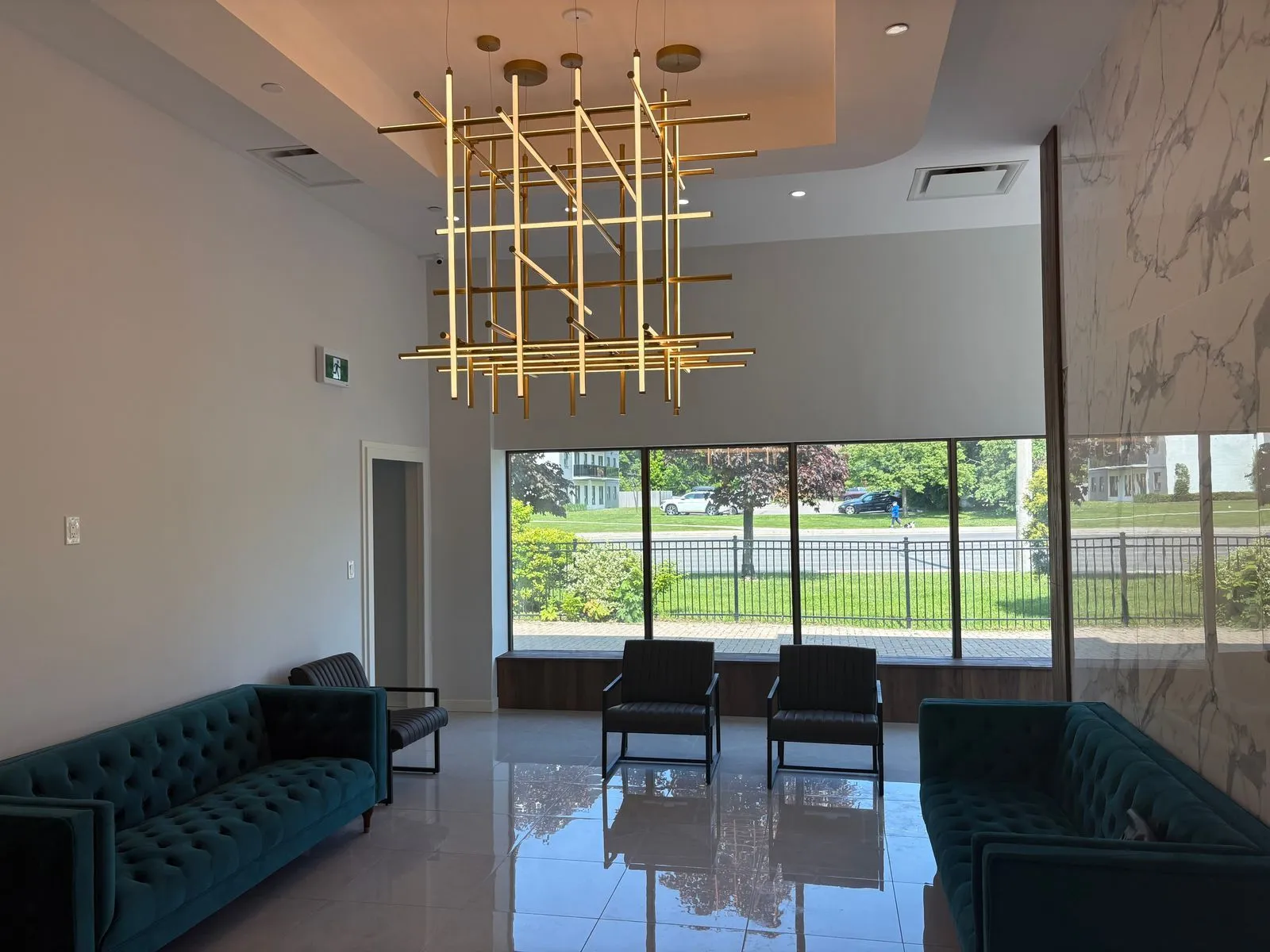
TMSC's Mississauga clinic operates as a dedicated minor surgery center — not a shared multi-purpose space. The surgical suites meet the standards required for sterile excisional procedures.
Transparent Pricing
TMSC provides clear pricing for consultations and procedures. Use the minor surgery cost estimator to get an estimate before booking. Detailed pricing is also available at TMSC pricing.
Multiple GTA Locations for Follow-Up Convenience
If you live or work in different parts of the GTA, TMSC's network of four convenient clinic locations — Mississauga, Vaughan, Oakville, and North York — means follow-up appointments don't have to disrupt your schedule.
Q: Do I need a referral to see a surgeon at TMSC Mississauga?
No. TMSC Mississauga accepts patients without a GP referral for most skin lesion consultations. You can book directly through their website or by phone.
Q: Is skin cancer removal covered by OHIP at TMSC?
Coverage depends on the specific procedure and clinical indication. Medically necessary biopsies and excisions may qualify for partial OHIP coverage. Contact the clinic directly for a clear explanation of costs before your appointment. Transparent pricing is also available at TMSC pricing.
Q: How long does a skin cancer excision procedure take?
Most excisions at TMSC take between 20 and 45 minutes, including preparation and wound closure. Patients are awake throughout under local anaesthetic and can typically drive themselves home afterward.
Q: How soon will I get my biopsy results?
Pathology results typically return within one to two weeks. The clinic will contact you directly with results and next steps.
Q: Can TMSC treat melanoma?
TMSC Mississauga performs excisional biopsies and wide local excisions for early-stage melanoma. Advanced-stage melanoma requiring systemic therapy or multidisciplinary oncology care is referred to appropriate cancer centers, such as Princess Margaret Cancer Centre [4].
Q: What is the difference between a mole removal and a skin cancer excision?
A mole removal (for a benign lesion) is typically a simpler shave or punch procedure with smaller margins. A skin cancer excision requires wider margins of healthy tissue to reduce recurrence risk, and the specimen is always sent for pathological analysis. Both are performed at TMSC.
Q: What if my lesion is not cancer — just a cyst or lipoma?
TMSC handles these too. The clinic offers cyst removal and lipoma removal in Mississauga, performed by the same board-certified surgical team.
Q: Is it safe to have surgery at a minor surgery center rather than a hospital?
Yes, for the procedures TMSC performs. Minor surgical excisions under local anaesthetic do not require general anaesthesia or hospital-level infrastructure. TMSC's surgical suites meet the standards required for sterile excisional procedures.
Q: How do I know if my skin spot is cancer or something benign?
You cannot determine this reliably by appearance alone — and neither can a GP without training in dermatoscopy. A clinical assessment by a board-certified surgeon, followed by biopsy if indicated, is the only reliable way to know. See cancer skin spots for a visual reference guide.
Q: What is the recurrence rate after skin cancer excision?
For BCC treated with surgical excision with clear margins, the five-year recurrence rate is generally low (under 5% for primary tumors in low-risk locations). SCC recurrence rates are slightly higher for high-risk lesions. Melanoma recurrence risk is stage-dependent. Your surgeon will discuss specific recurrence risk and recommended follow-up schedule after your procedure.
Q: Can skin cancer look like a skin tag or seborrheic keratosis?
Yes. Some BCCs and SCCs can mimic benign lesions. This is why professional assessment matters — even for lesions that "look benign." See cancerous skin tags pictures for examples.
Q: How do I book at TMSC Mississauga specifically?
Visit the TMSC Mississauga clinic page for location details, hours, and booking information.
The Toronto Minor Surgery Center provides quick, efficient and high-quality treatment to skin lesions and other conditions.
You may have a skin lesion that has been bothering you for months or even years. Perhaps it’s causing pain or is just a nuisance that’s been around for a while. We are experts at treating such lesions. You may be surprised to find that your skin condition can be treated on the same day as your initial consultation. Along with great care for our patients, TMSC features:
Book a free consultation
Our procedures are quick, effective and as painless as possible. Each case is tended to with great care, and scarring is always minimal.
During your free consultation, one of our board certified surgeons will examine your condition and recommend a suitable solution.
Where it all began
Dr. Kunaal Jindal and Dr. Roberto Tutino are board certified plastic and reconstructive surgeons in Toronto.
Being best friends who share an enthusiasm for plastic and reconstructive surgery, the duo felt it was a natural next step to open a new clinic which would tackle the gap they’ve seen in the minor surgery realm—namely long wait times and the lack of dedicated minor surgery centers.
Their aim is simple: to provide a safe, modern environment where patients can have their skin lesion and other such concerns treated quickly and efficiently.
Learn more about our surgeons

OHIP Coverage
The Ministry of Health determines which procedures are covered by OHIP and which are not, based on a number of factors. Most benign (noncancerous) skin lesions are not covered as their treatment is considered unessential by the Ministry of Health.
Conditions covered by OHIP